About
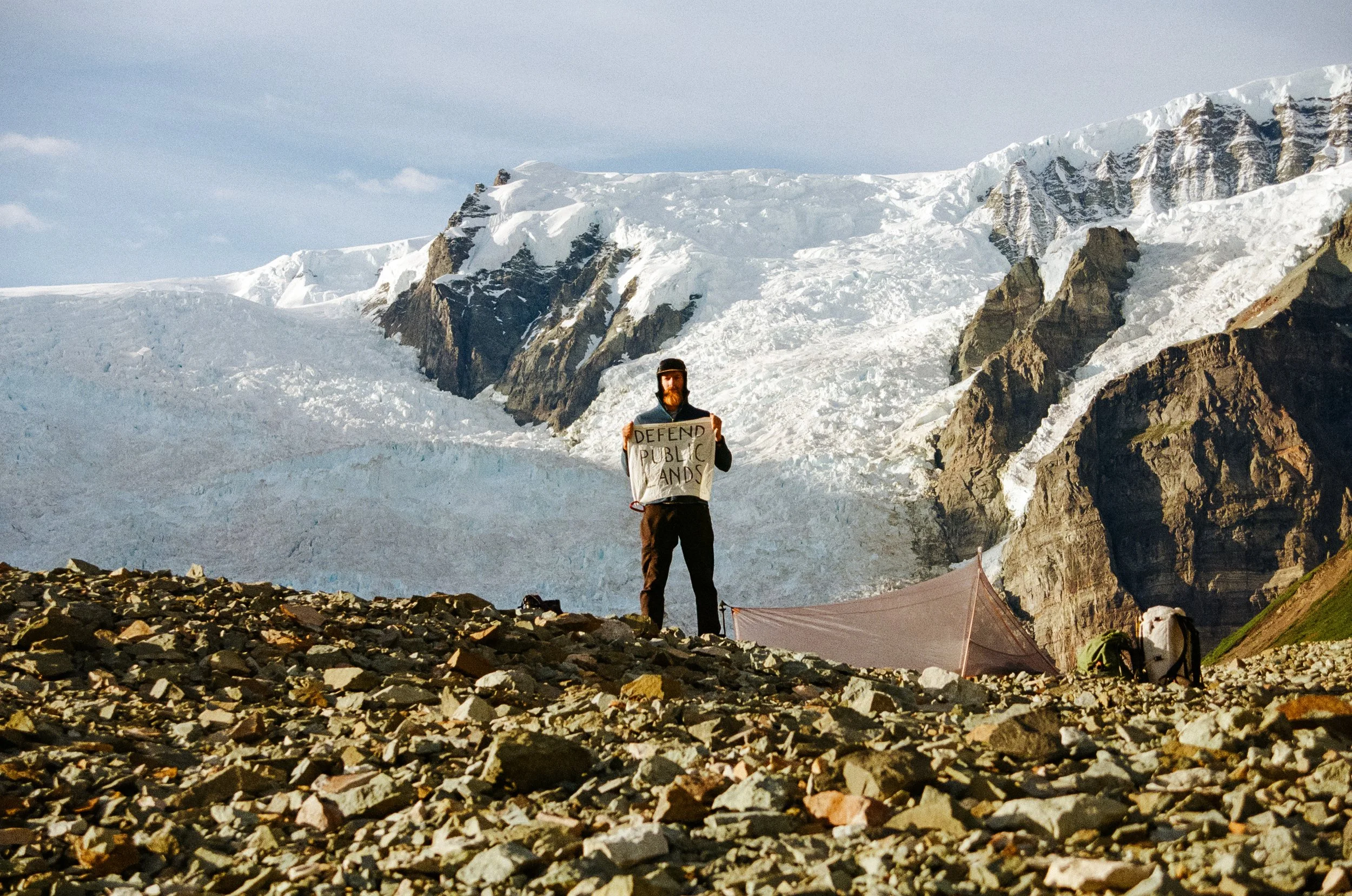
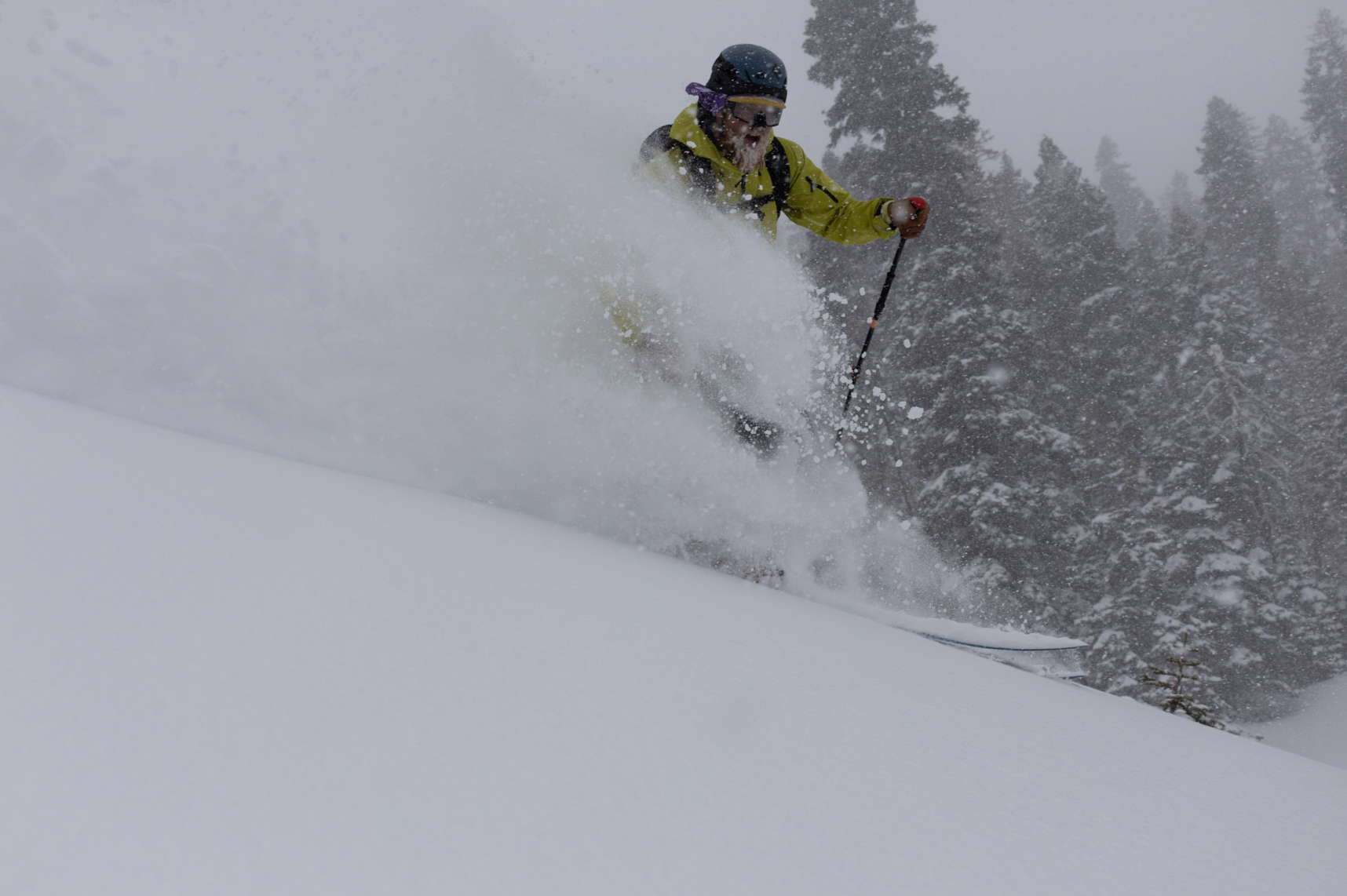
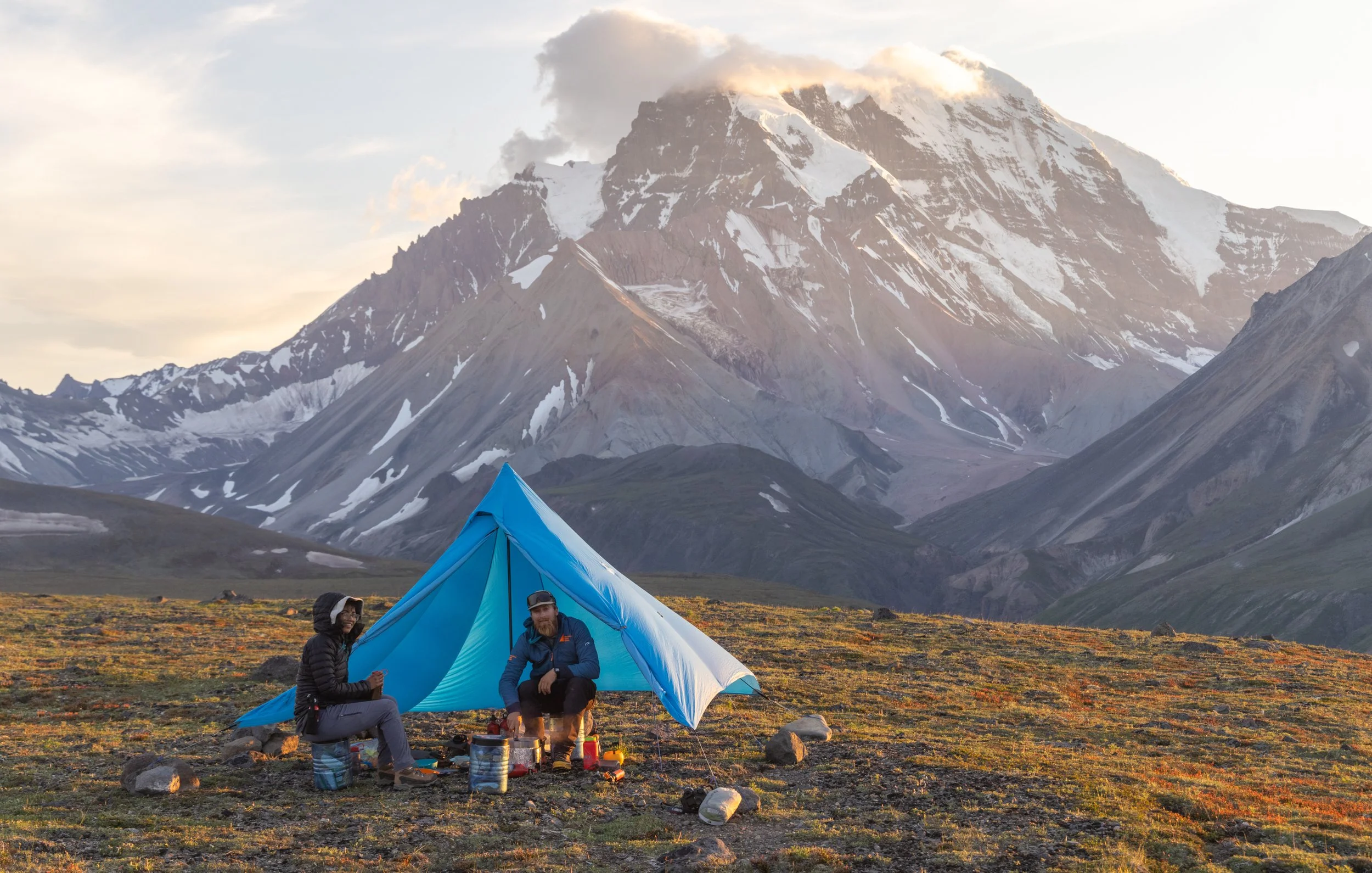
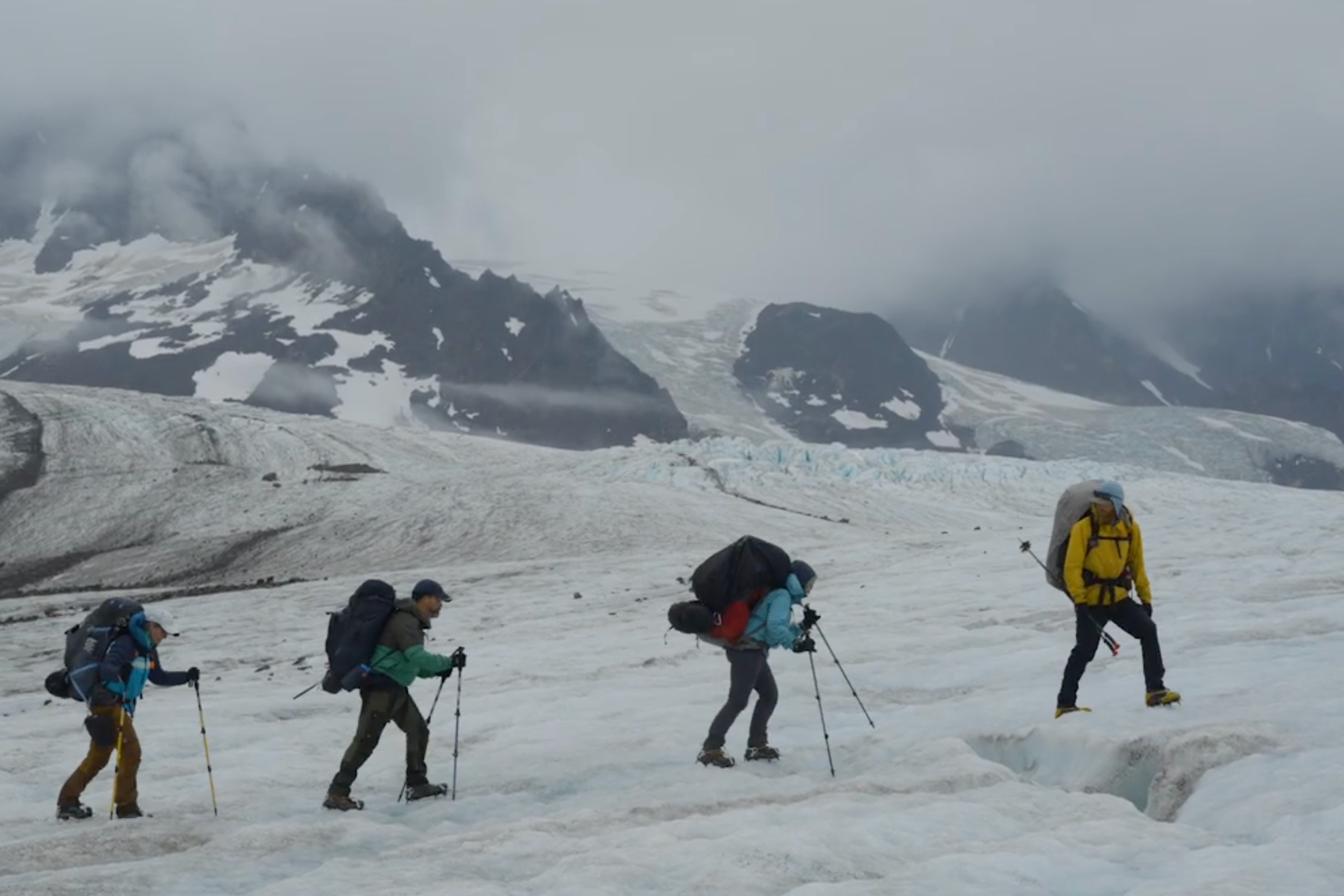
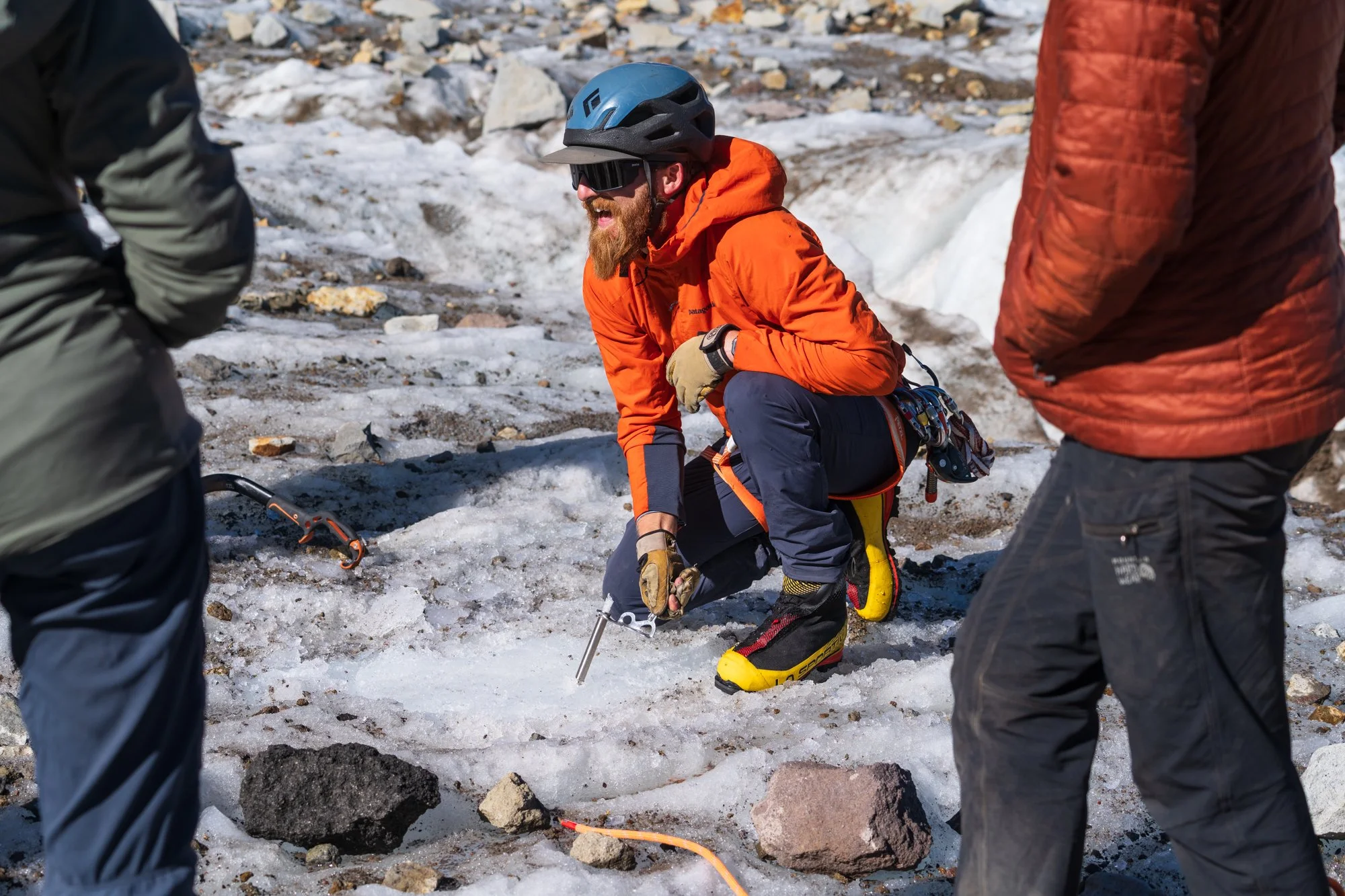
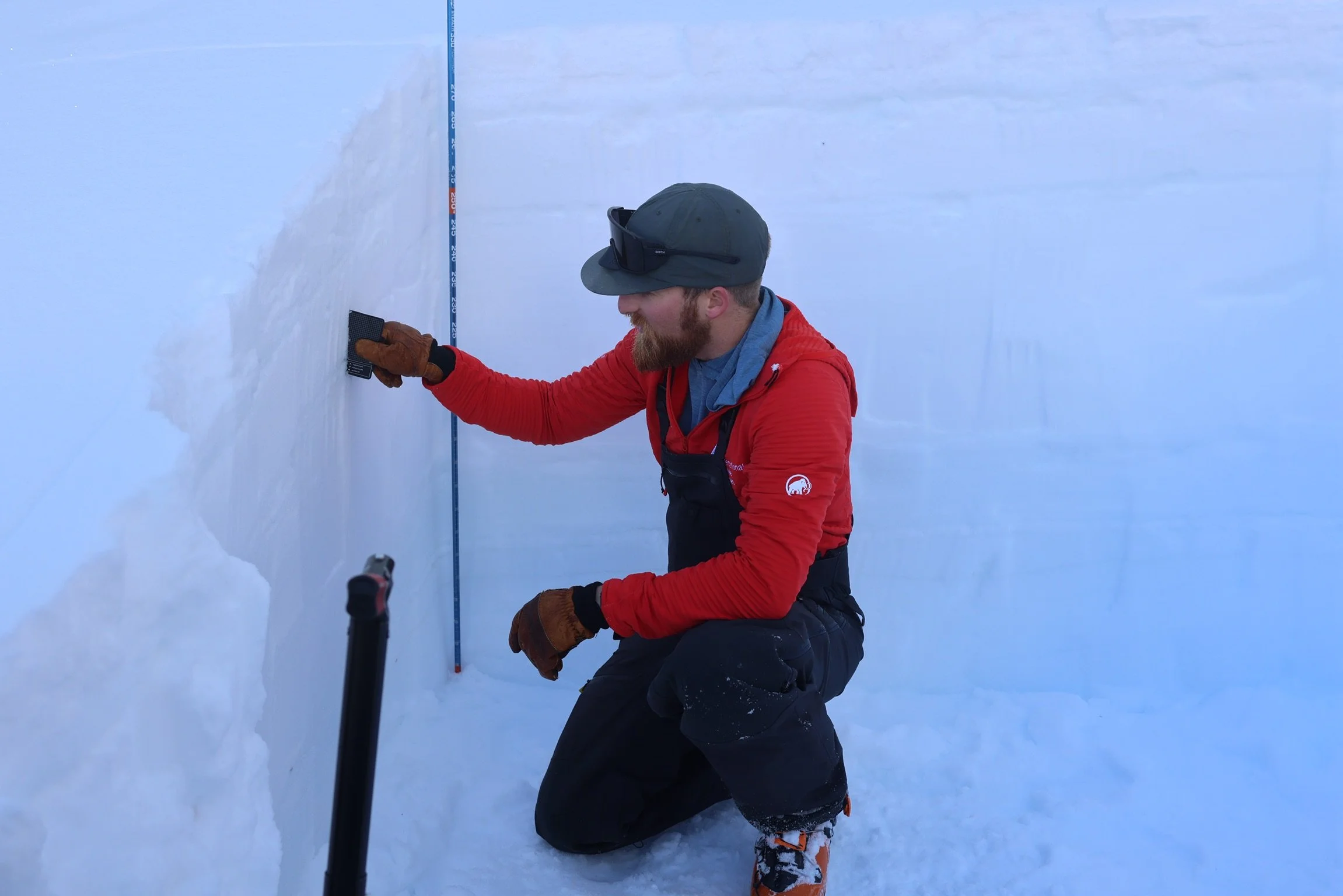
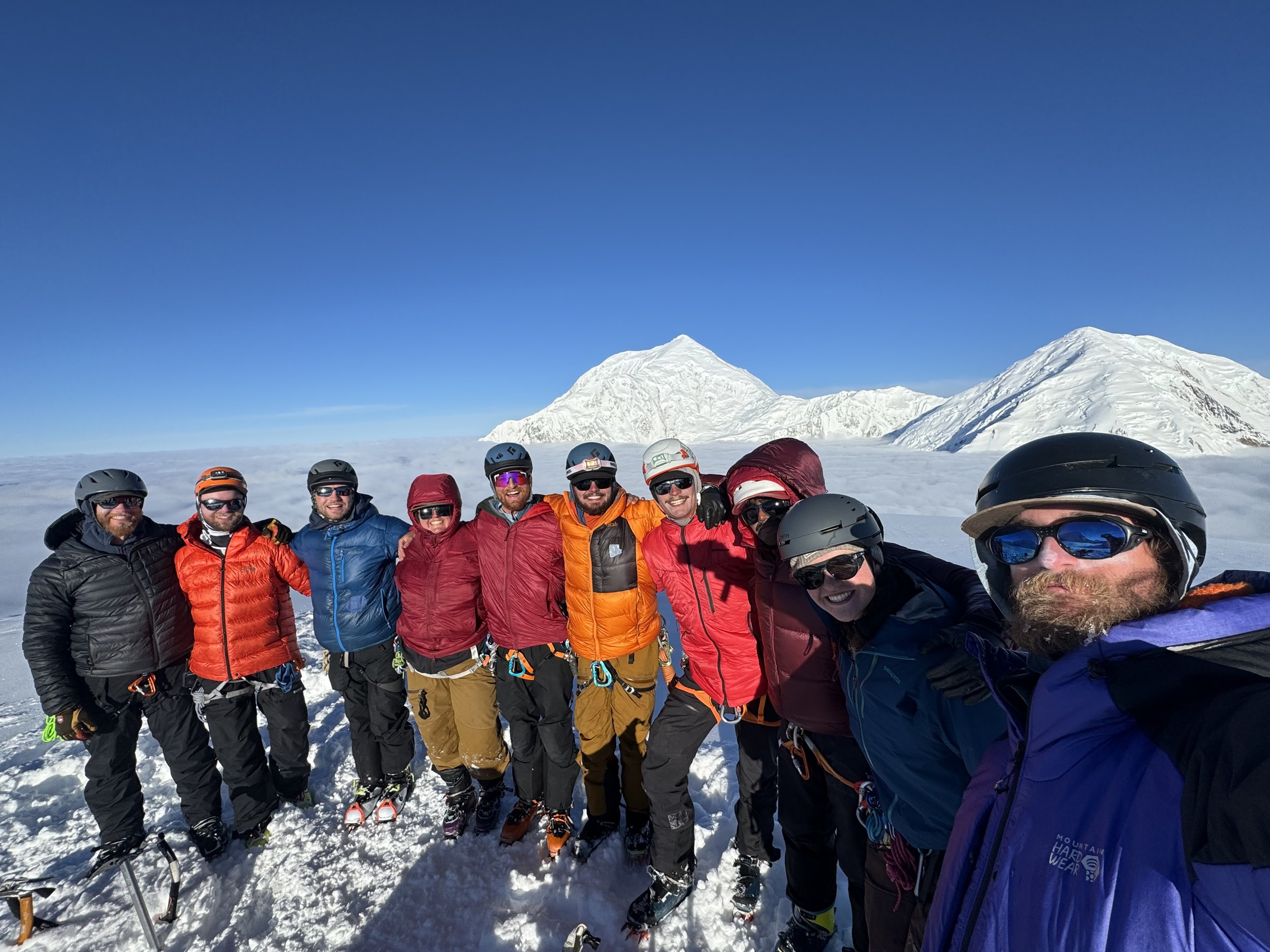
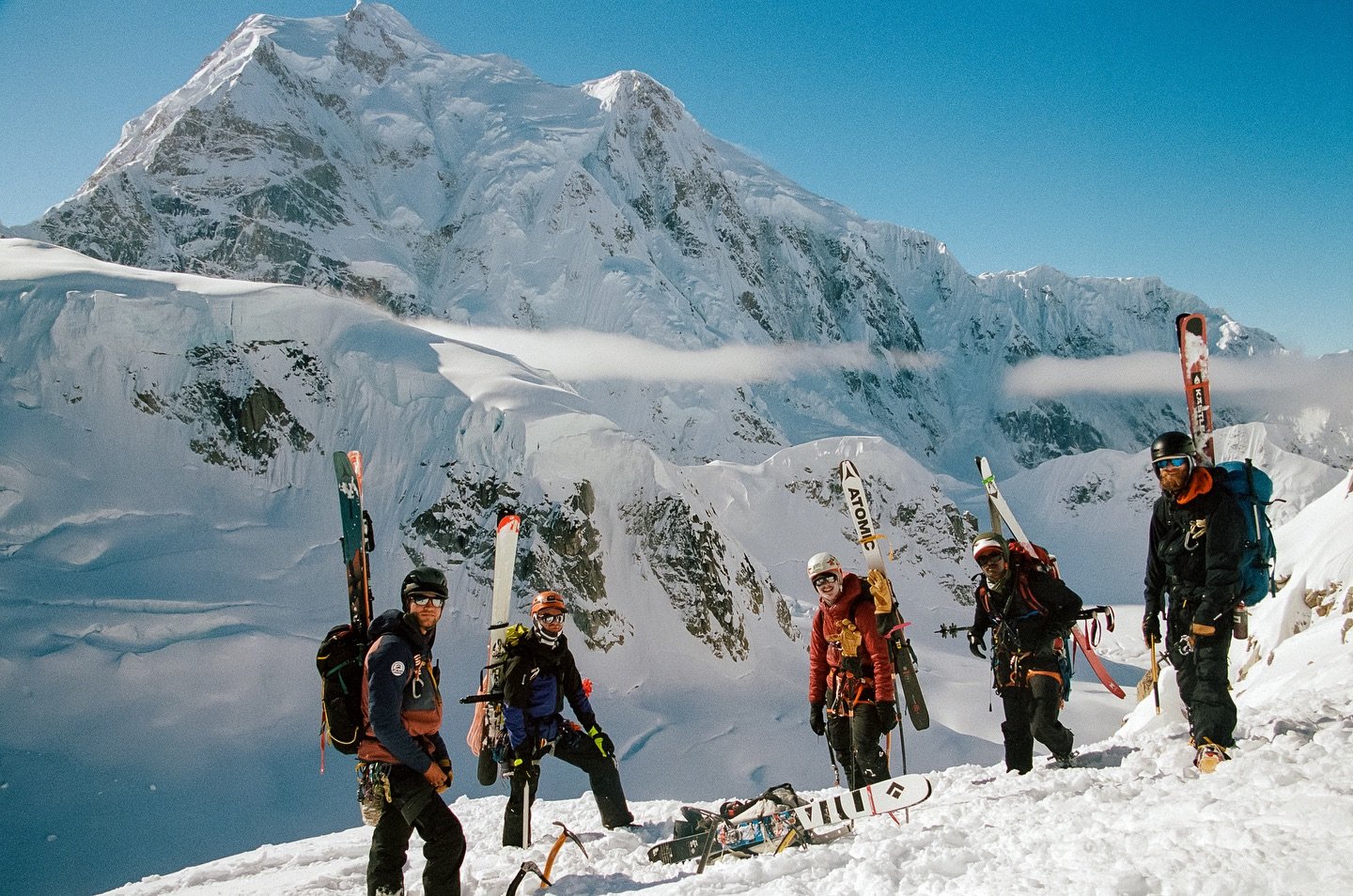
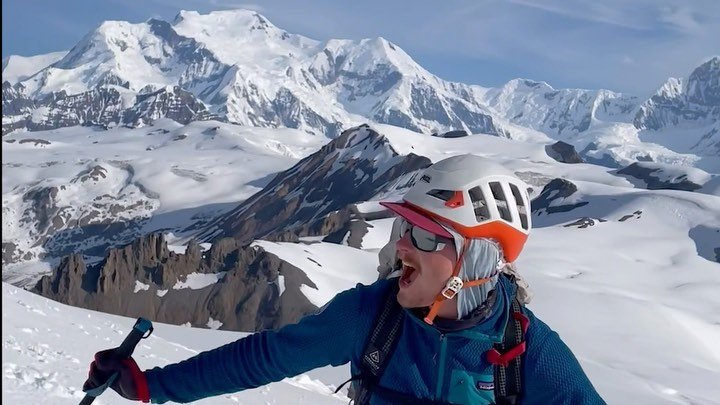
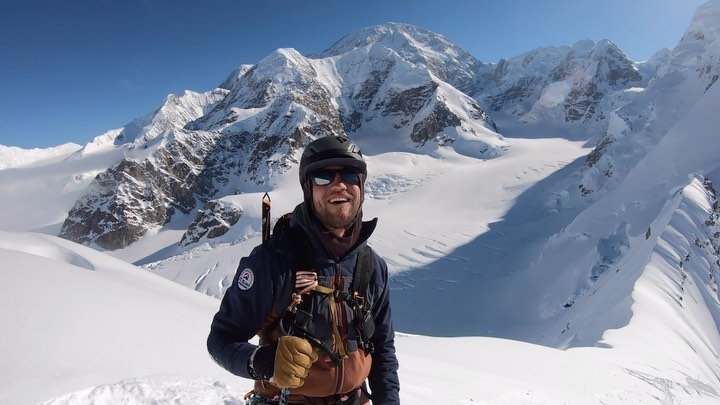
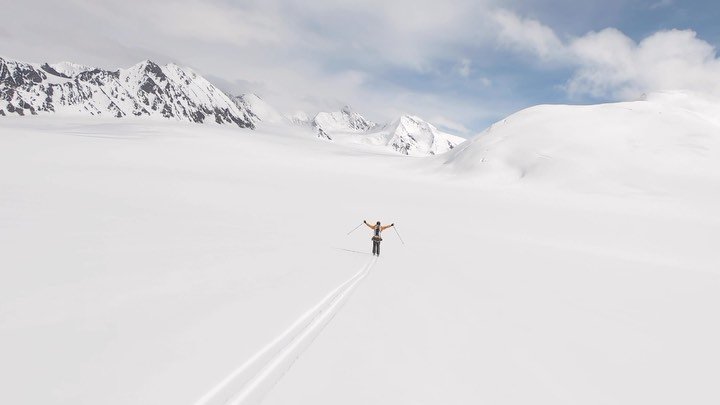
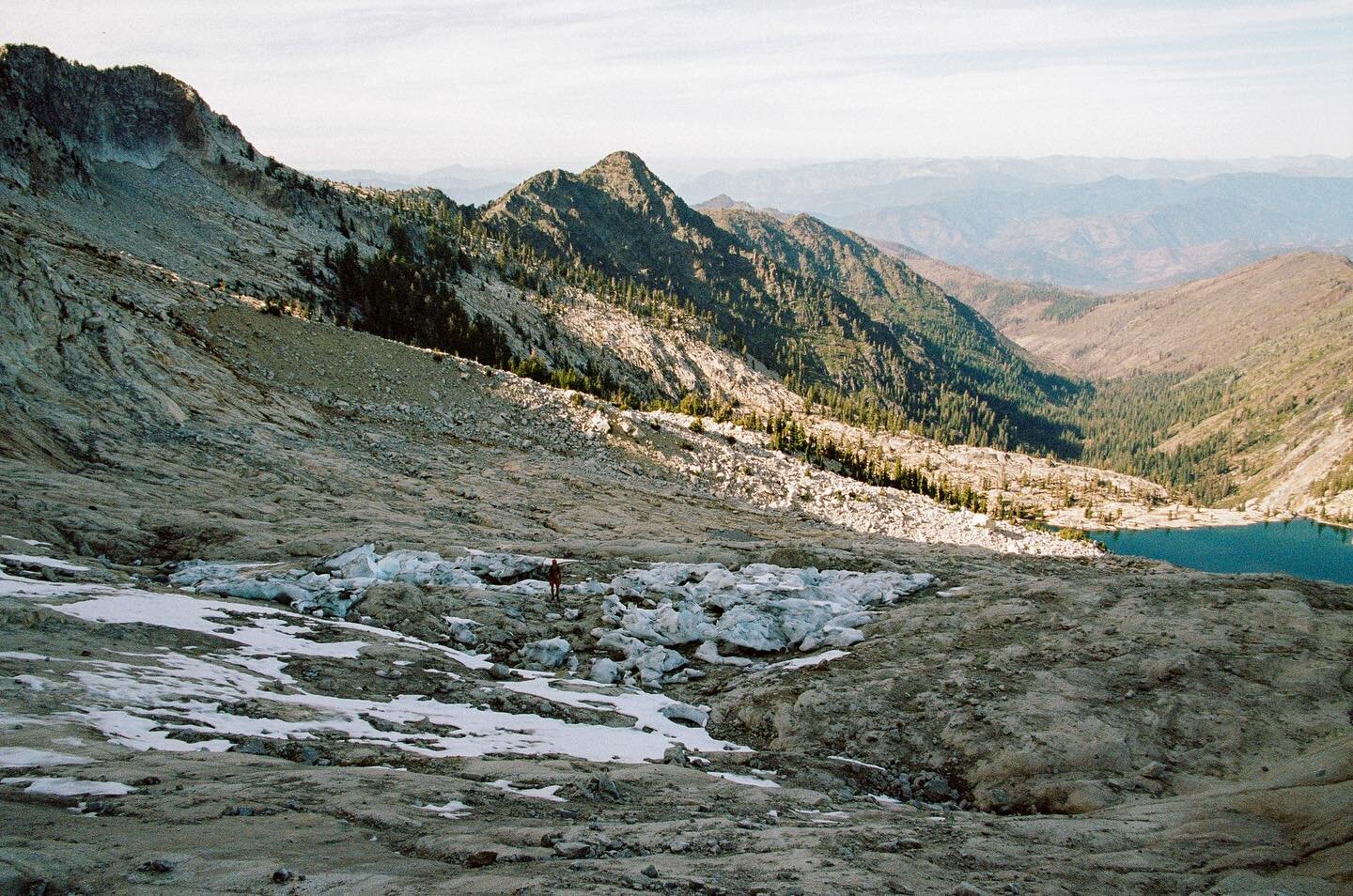
Nick works as a professional AMGA trained ski and alpine guide and American Avalanche Institute avalanche educator in Alaska and California. He guides across Alaska, primarily in Wrangell-St. Elias NP & Denali NP. In the Lower 48 he guides in the Sierra Nevada of California and the Cascades of the Pacific Northwest. Nick is a glaciologist and environmental researcher studying glacial environments and human impact on the West’s ecosystems. He primarily works in the Pacific Northwest, where he leads field studies for the Oregon Glaciers Institute.
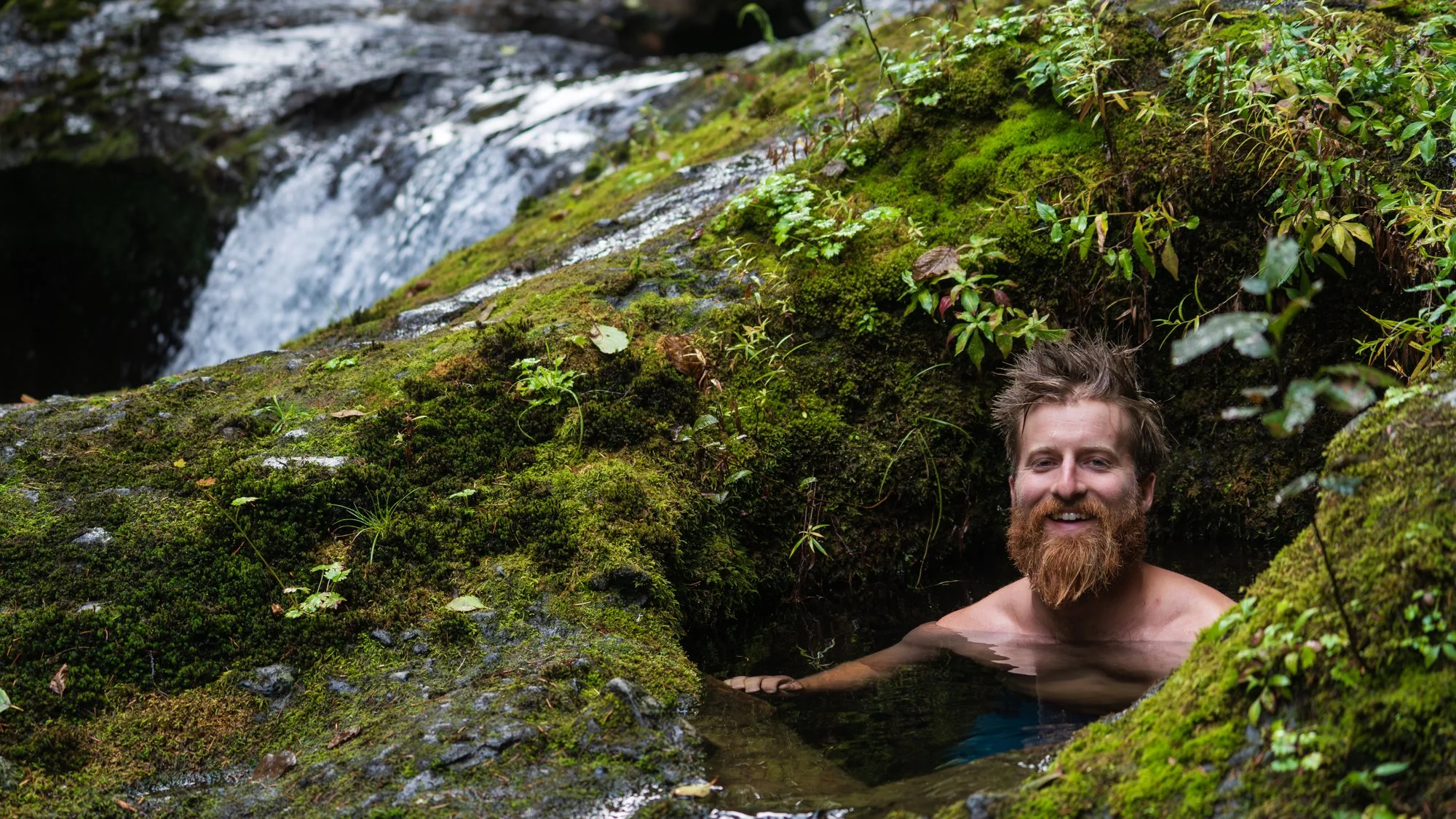
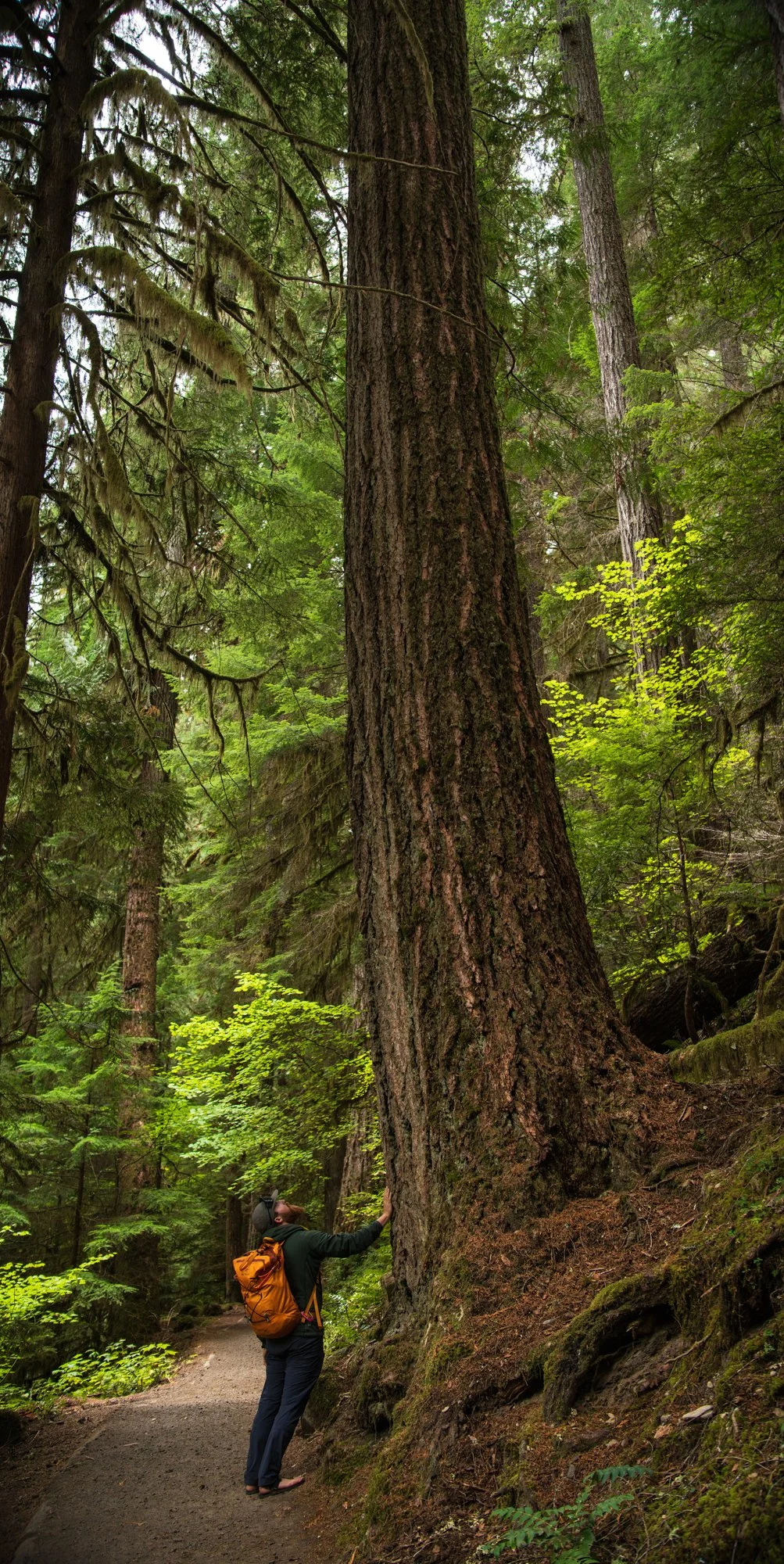
Nick's focus is connecting people to the natural world and communicating humanity's complete dependence to our healthy intact ecosystems. His goal is to show people that our natural systems are not only existential, but more fascinating, beautiful, and complex than anything we as humans could ever hope to create. His purpose is to remind people that if life on our planet hopes to not just survive, but thrive, we must rethink and return to the land and her ecosystems on the basis of reciprocity.

Publications:
Bakken-French, Nicolas & Boyer, Stephen & Southworth, W. & Thayne, Megan & Rood, Dylan & Carlson, Anders. (2024). Unprecedented Twenty-First Century Glacier Loss on Mt. Hood, Oregon, U.S.A..
Carlson, Anders & Bakken-French, Nicolas & Thayne, Megan & Pappas, Sam & Molnar, Daniela & Rood, Dylan. (2025). Disappearing glaciers of the Oregon Cascades, USA. Annals of Glaciology. 67. 1-15.
Works Featured In:
Atmos Earth - Ode to a Glacier
1859 Magazine March/April Volume 91 - Oregons Disappearing Glaciers
Columbia Climate School - Meet the Group Monitoring Oregons Shrinking Glaciers
Follow our work at Oregon Glaciers Institute and stay updated on our socials to learn about projects our partners and how to get involved. @glaciersoregon @nickbakkenfrench
Interested in a ski or alpine objective? Want to continue your education in the mountains? Contact me for a guided trip:
Get in touch. Fill form or email:
nicolas.bakkenfrench@gmail.com
Instagram:
“I found that we can have the very best data, statistics, and models chronicling glacier change, but if that information is not grounded within the human stories of place, then that information is largely powerless. If people do not see themselves in the story, then they are not part of the story.”
-Dr. M Jackson, Glaciologist